-
Rotterdam, Netherlands
-
in progress
-
2247-MPG
-
Piotr Kalbarczyk, Valerie Heesakkers
-
PosadMaxwan, Municipality of Rotterdam, TU Delft , Netherlands Environmental Assessment Agency, DGBC, ERA Contour, Synchroon

Carbon-Based Urbanism
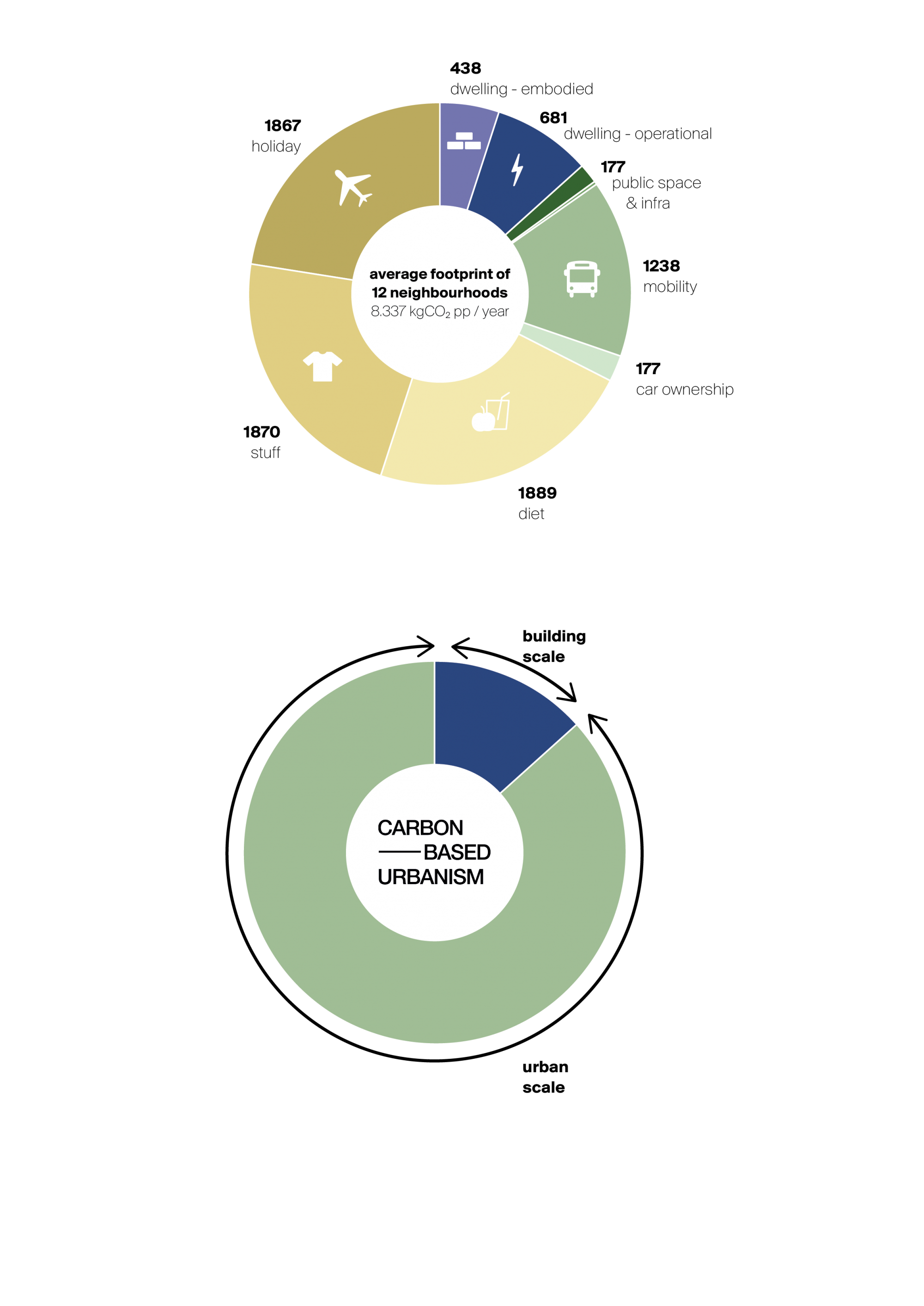
When we completed our research project titled 'Carbon-Based Design' in 2020, we were left with more questions than answers. That study had focused on means to draw down the embodied carbon of buildings, and had explored improved materials, changes to construction processes, improvements in design and incorporation of modern insulation and other technology. But we're urbanists as well as architects, and one statistic stood out. In the built environment, buildings themselves account for only 15% of total emissions. So what about the other 85%?
And so Carbon-Based Urbanism started: a sustainable city is more than the sum of sustainable buildings. Sustainable construction focuses on the scale of the building (embodied and operational emissions), and there is a strong focus on remaining within the agreements of the Paris Agreement. But if the focus of sustainable construction is not broadened, a blind spot will arise at the urban planning level: where are we going to build, what types of (residential) forms, how do we organize mobility, and how do we ensure that people can live sustainably in the city?
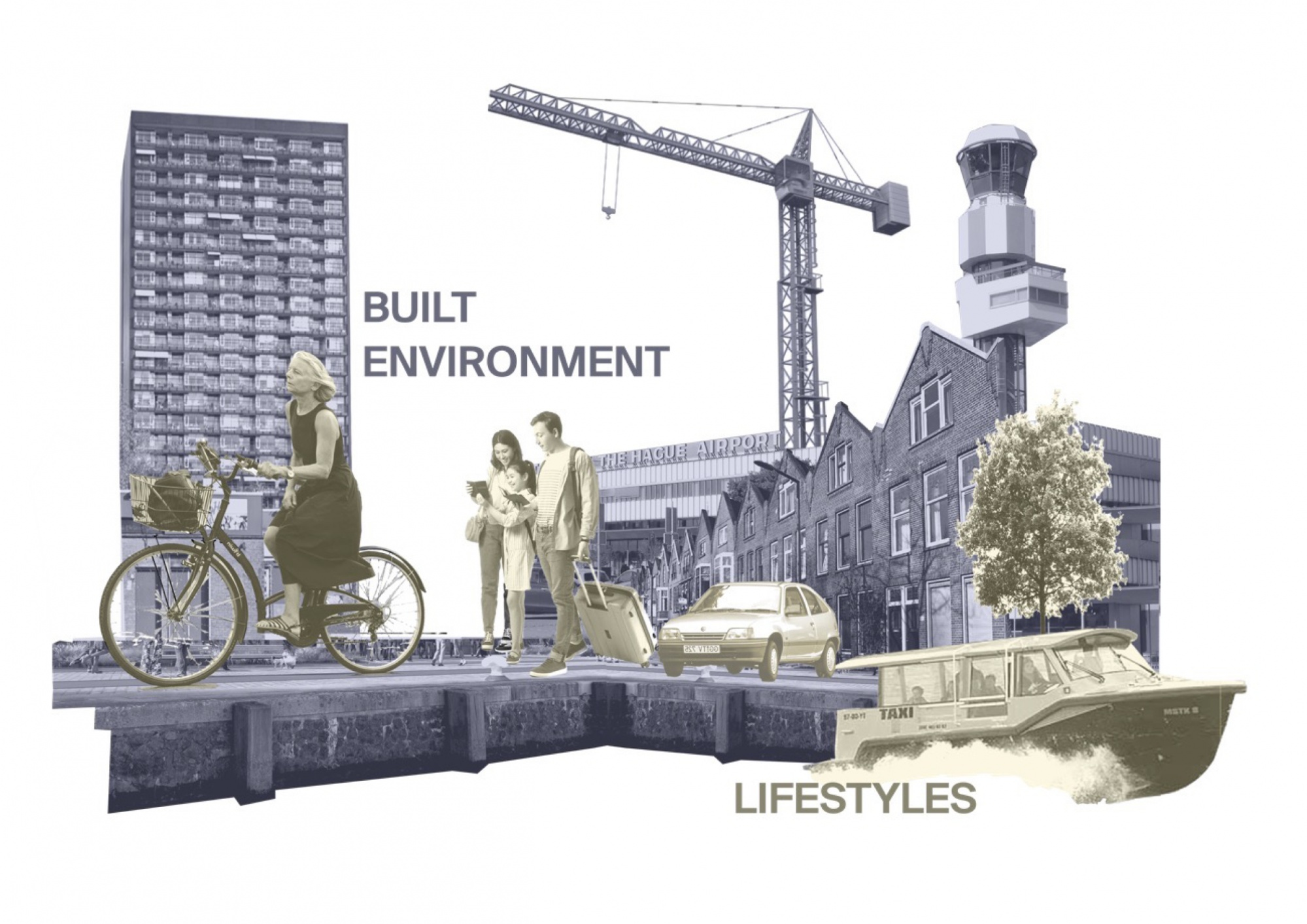
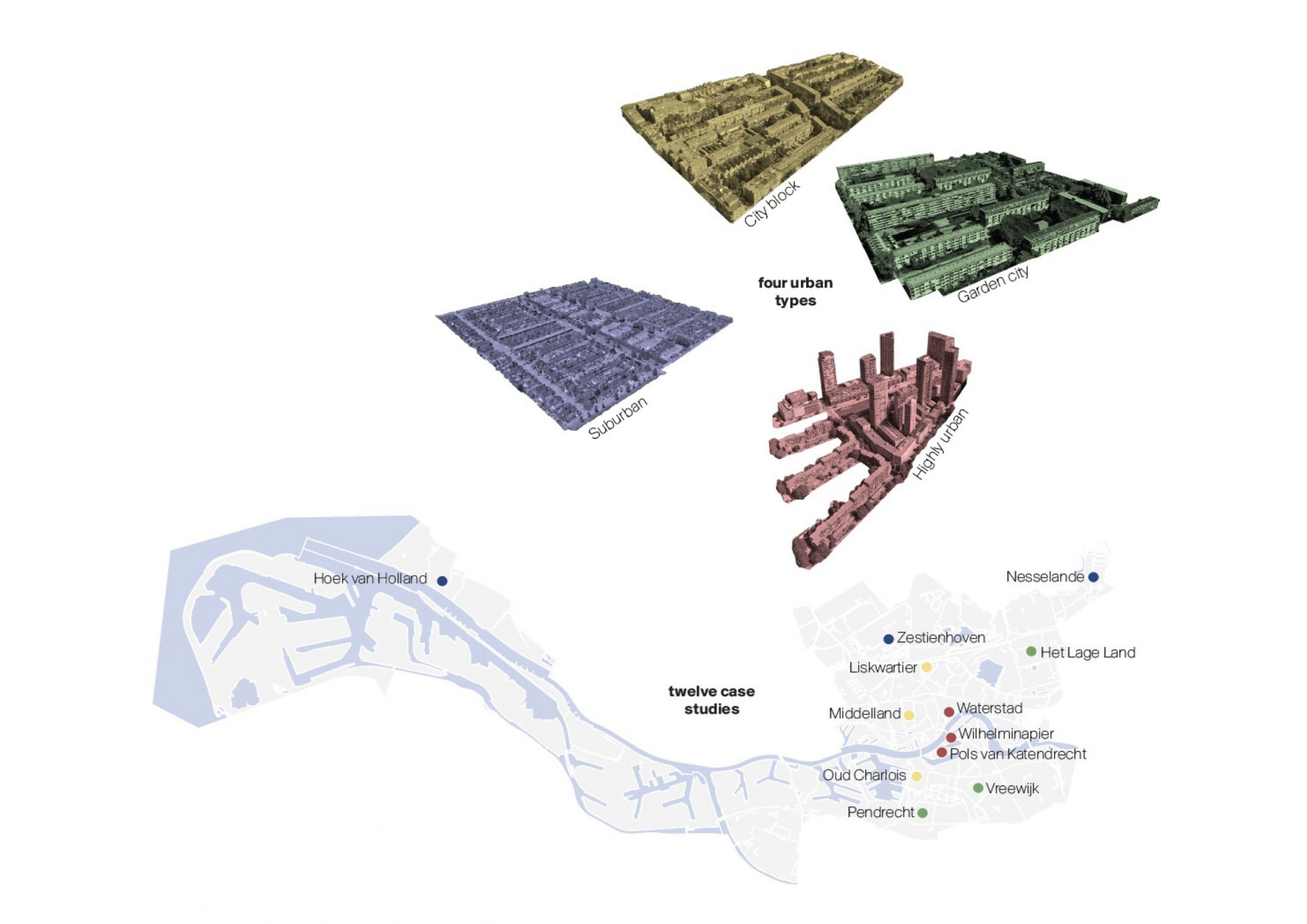
Cityförster, PosadMaxwan, and the Municipality of Rotterdam have joined forces in this research project. With the main question "what is the role of urban design on the CO₂ impact of Buildings, Areas, and Users in new neighbourhoods?", the research analyses the footprint of 12 Rotterdam neighbourhoods, explicitly looking beyond the building itself to include public space, mobility, and the lifestyle of users. A clear correlation emerges between urban planning factors (such as density indicators and distance to amenities) and the CO₂ footprint per person. This shows that urban planning does indeed have a role to play in sustainable construction, which can offer a new perspective on urban development.
With six lessons learned, the report presents insights into the footprint of different neighborhood types, which emission categories have the most impact, how emissions from the built environment relate to emissions from residents, and what urban factors can play a pivotal role to reduce emissions. The research teaches us that not only how we build is urgent, but that also where we build and what kind of neighbourhoods should be part of the sustainability debate.
Our project partners are PosadMaxwan, Municipality of Rotterdam, TU Delft , Netherlands Environmental Assessment Agency, DGBC, ERA Contour and Synchroon.
This project was made possible by the generous support of TBI, Stimuleringsfonds Creatieve Industrie and the Municipality of Rotterdam
Download the report now via the pop-up form.
Print copies are available at NAi Booksellers.
-
Rotterdam, Netherlands
-
in progress
-
2247-MPG
-
Piotr Kalbarczyk, Valerie Heesakkers
-
PosadMaxwan, Municipality of Rotterdam, TU Delft , Netherlands Environmental Assessment Agency, DGBC, ERA Contour, Synchroon
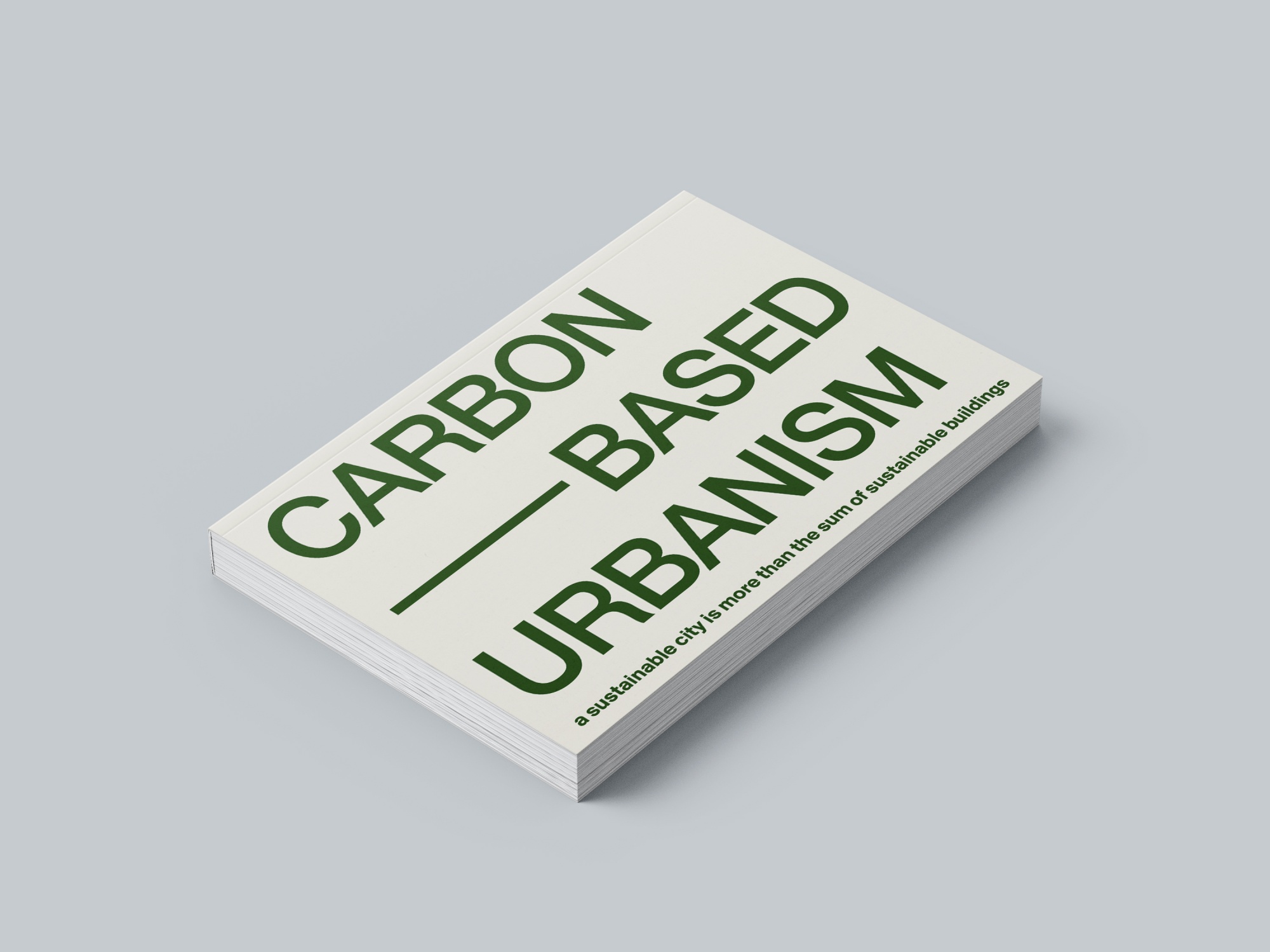
 Carbon-Based Urbanism book cover
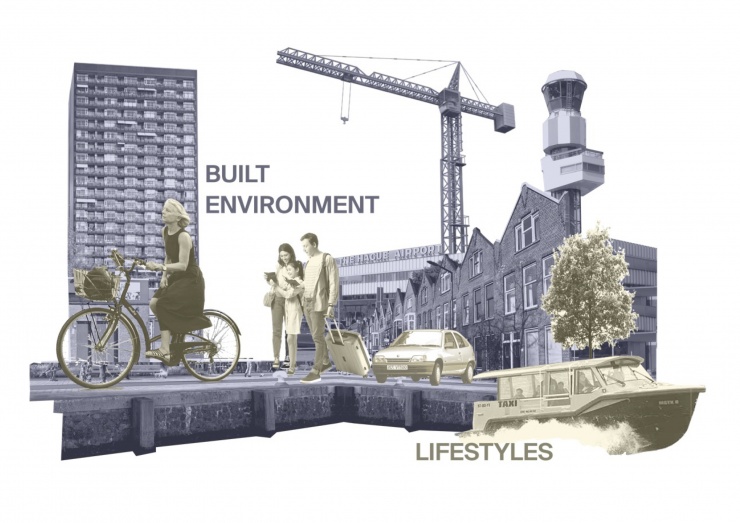 Carbon-Based Urbanism analyses the interaction between built environment and lifestyles
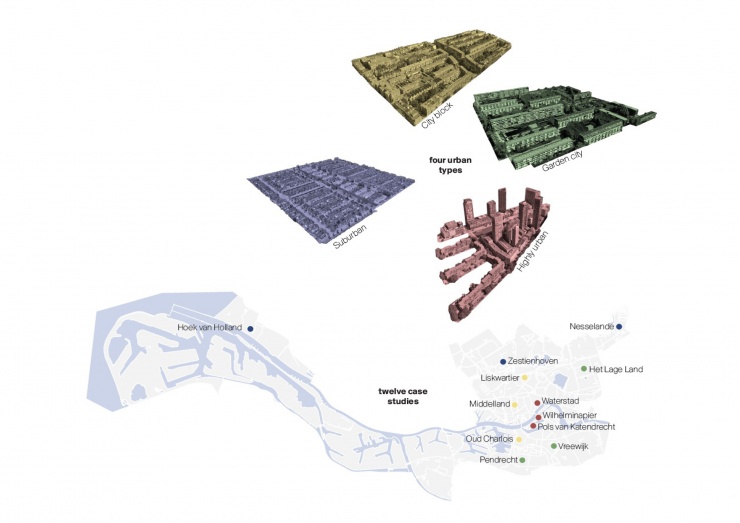 12 case studies in four urban types in Rotterdam
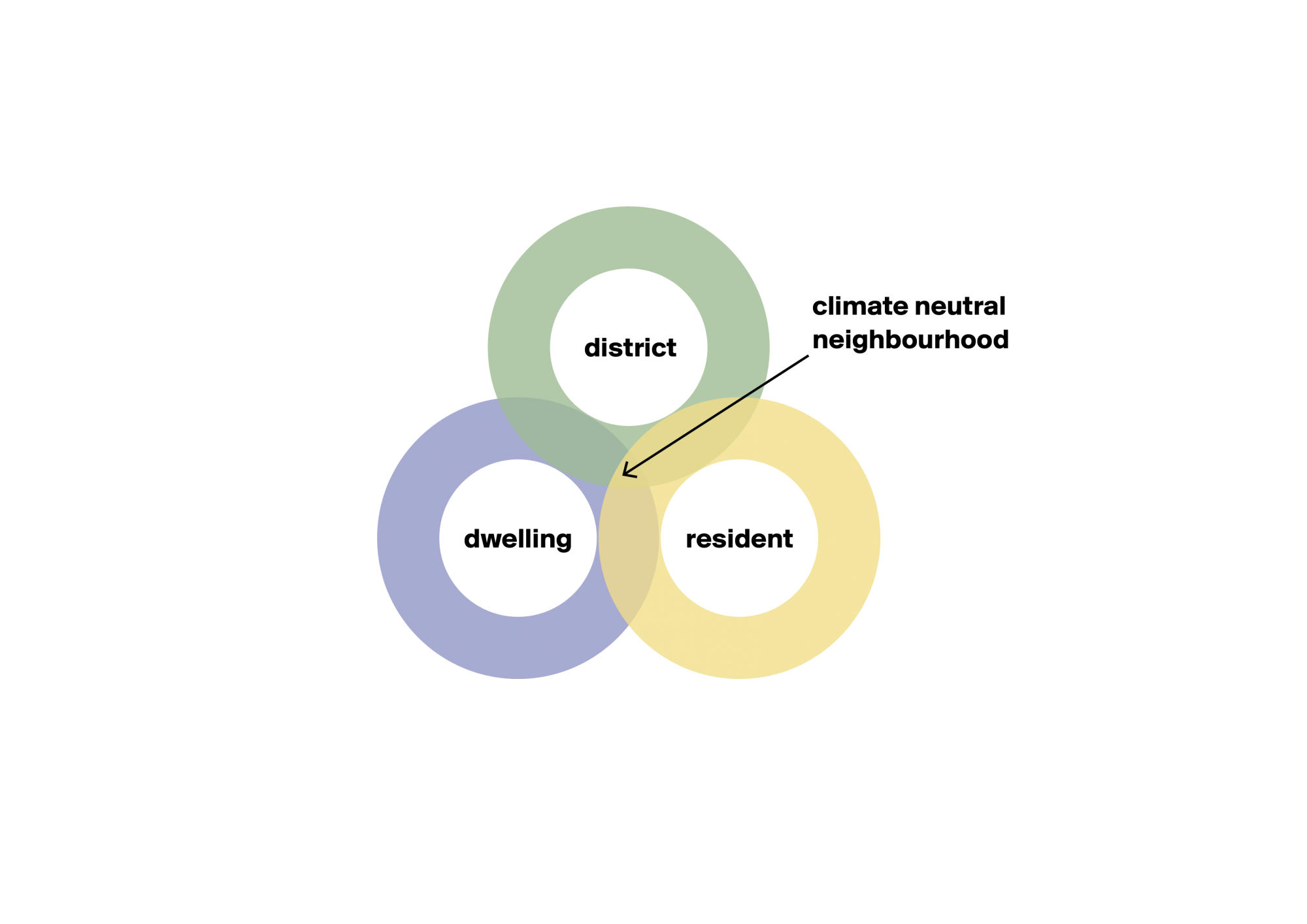
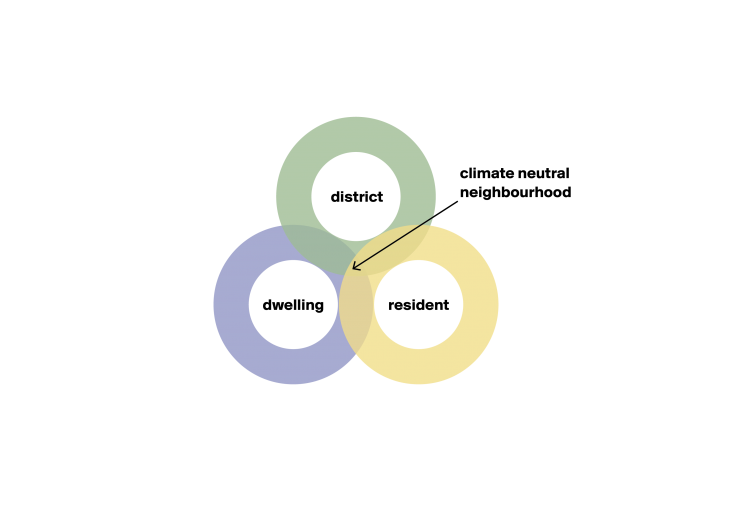 Focus on three domains
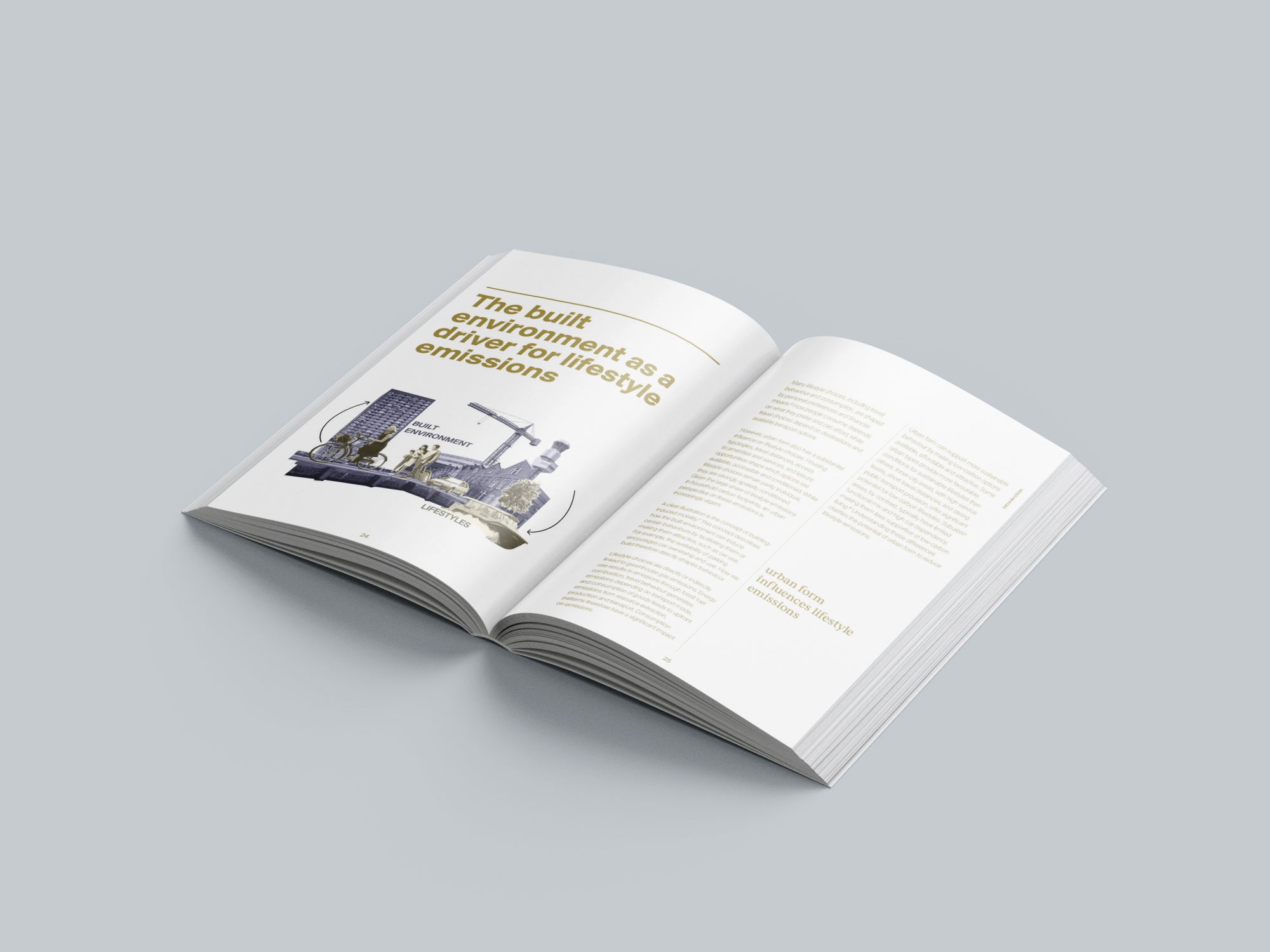
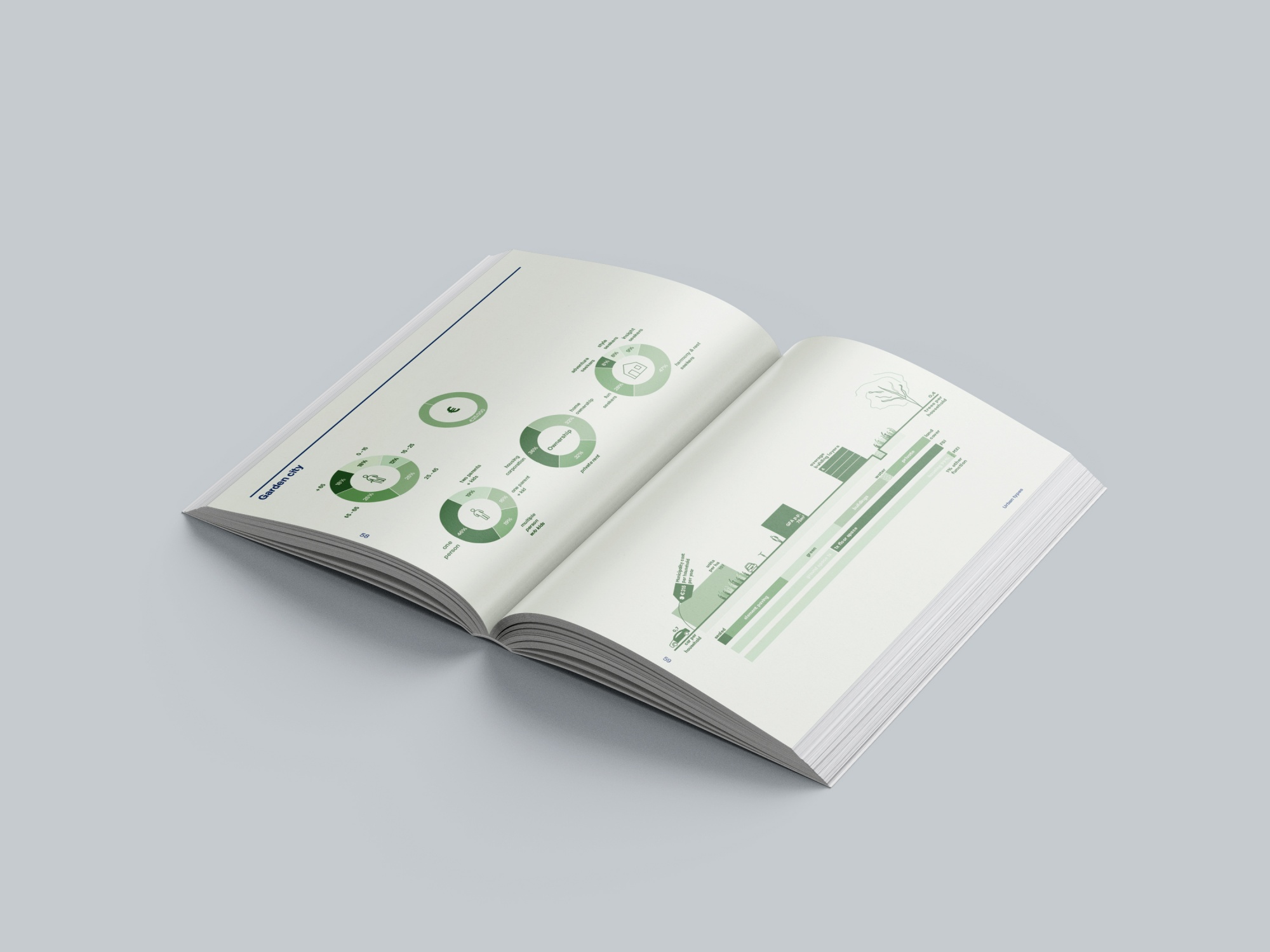
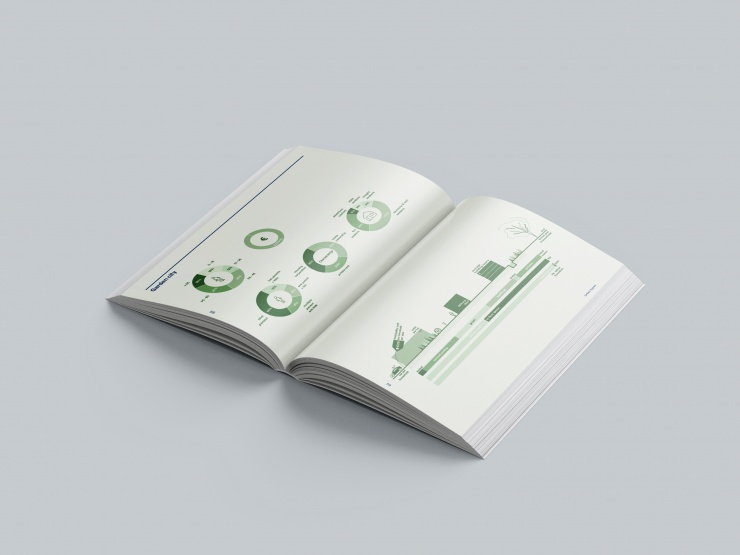
 Carbon-Based Urbanism book spread
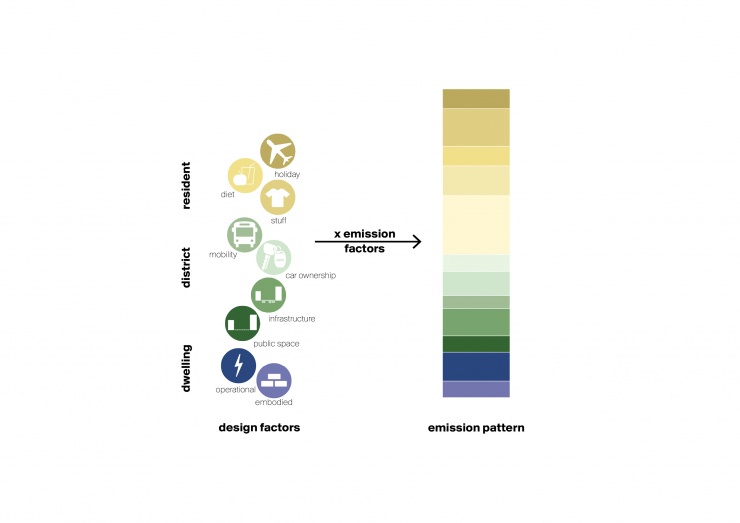 CO₂ footprint in 9 emission categories
 Urban types analysis
 Exhibition: How Do We Want To Build 2030 | © M. Kouvatsou
 Valerie Heesakkers presenting the research at the Dutch Green Building Council's 2024 Paris Proof Congress